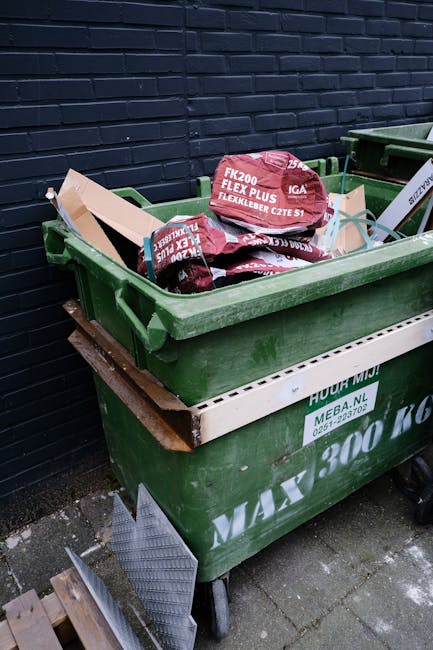
Access problems for Kenton garden rubbish on narrow drives
If you have ever stood at the end of a tight driveway in Kenton, looking at a pile of hedge cuttings, soil bags, broken planters, and half a compost heap, you will know the issue straight away: the rubbish is ready to go, but the access is not. Access problems for Kenton garden rubbish on narrow drives are one of those everyday clearance headaches that sound simple until a van, wheelbarrow, or team has to actually get in and out without scratching brickwork, blocking neighbours, or turning the whole job into a slow shuffle. This guide breaks down what makes narrow-drive access tricky, how a proper clearance is planned, and what you can do to make the process smoother, safer, and less stressful.
There is a big difference between a garden that is messy and a garden that is awkward to reach. Narrow drives, low walls, tight turning points, shared entrances, parked cars, and overgrown side paths can all affect how waste is collected. The good news? Most access issues can be managed with a bit of planning. And if you are weighing up options, it also helps to understand how services like garden clearance and broader waste removal are usually organised when the approach is cramped.
Table of Contents
- Why Access problems for Kenton garden rubbish on narrow drives Matters
- How Access problems for Kenton garden rubbish on narrow drives Works
- Key Benefits and Practical Advantages
- Who This Is For and When It Makes Sense
- Step-by-Step Guidance
- Expert Tips for Better Results
- Common Mistakes to Avoid
- Tools, Resources and Recommendations
- Law, Compliance, Standards, or Best Practice
- Options, Methods, or Comparison Table
- Case Study or Real-World Example
- Practical Checklist
- Conclusion
- Frequently Asked Questions
Why Access problems for Kenton garden rubbish on narrow drives Matters
Access matters because clearance is not just about lifting waste into a vehicle. It is about moving people, bags, tools, and bulky garden material through a space that may already feel tight before anyone starts. A narrow drive can slow everything down, increase the chance of minor damage, and make a simple job more physically demanding.
In practice, access problems affect three things at once: time, safety, and cost. If a team cannot park close enough, they may need extra carrying distance. If the surface is uneven or the route is awkward, they may need to split loads into smaller portions. And if there is no safe turning space, the vehicle may need to park on the road or work from the front while waste is moved in stages. None of this is unusual, but it does need thinking through.
Let's face it, garden rubbish has a habit of being inconveniently shaped. One minute it is a pile of branches; next it is damp soil, thorny trimmings, broken trellis, and a bag that leaks at the bottom. That sort of load is awkward enough on a good day. On a narrow Kenton drive, it can become a proper bottleneck.
There is also a neighbourly angle. If your drive is tight and the job spills into shared access, you want the work handled neatly. Nobody wants muddy footprints through a communal path or a van blocking someone's school run. Good access planning keeps the job efficient and keeps relations civil, which is underrated if we are being honest.
How Access problems for Kenton garden rubbish on narrow drives Works
When a clearance team assesses a narrow drive, they are usually asking a few practical questions. Can the vehicle get close enough? Can the crew carry waste safely without squeezing past walls or hedges? Is there enough room to load items without obstructing traffic or neighbours? And what type of material is being removed?
The process normally starts with a quick access check. That might be done from photos, a phone conversation, or an on-site look before the job begins. For a narrow drive, details matter more than you might think. A drive that feels "fine" on foot may still be too narrow for a van to reverse safely. A low branch, a tight bend, or a hidden step can change the plan completely.
Garden rubbish itself also influences how access is handled. Light cuttings are easier to bag and carry. Wet turf, compacted soil, rubble from an old edging project, or a stack of broken fencing panels are another matter. Heavier waste means more trips, more careful lifting, and sometimes smaller loads to keep the route manageable.
A sensible team will adapt the method rather than forcing one approach. That may mean:
- parking further away and using more manual carrying
- moving waste into smaller, easier-to-handle piles first
- protecting gates, paving, and walls during movement
- using sacks, tubs, or smaller containers for awkward material
- separating green waste from mixed garden waste where possible
In other words, the access problem is not only about width. It is about the whole working route, from garden corner to vehicle tailgate. A route that looks short can still be inefficient if it has pinch points. A route that looks longer can sometimes be better if it is straight and stable. Slightly counterintuitive, but true.
Key Benefits and Practical Advantages
Getting access sorted early brings more benefits than people expect. It is not only about making the job possible; it is about making it calmer and cleaner too.
- Less disruption: When the route is planned properly, there is less back-and-forth and less chance of blocking your drive for longer than needed.
- Reduced risk of damage: Narrow spaces are where scraped walls, chipped paving, and dented gates tend to happen.
- Safer manual handling: Shorter, clearer carrying routes reduce the strain on the people doing the lifting.
- Better timing: The job is easier to estimate when access is understood in advance.
- Cleaner finish: A tidy loading plan usually means fewer loose leaves, twigs, and muddy marks left behind.
For homeowners, that often means less stress on the day. For landlords, it can mean a quicker handover. For anyone clearing a garden before a sale or renovation, it means fewer last-minute surprises. The last thing you want is a perfectly good plan unravelled by a wheelie bin, a parked car, or an awkward bend in the drive.
One practical advantage people overlook is sorting waste at source. If green waste is separated from mixed rubbish early, the whole process becomes smoother. It is easier to load, easier to move, and often easier to handle responsibly. If you are planning a bigger tidy-up with branches, old plant pots, fence panels, and domestic clutter, it may be worth looking at related services such as garage clearance or home clearance where the same access principles apply.
Who This Is For and When It Makes Sense
This topic is relevant to a wider group than you might first think. Yes, it is obviously useful for homeowners with tight front drives. But it also matters for landlords, property managers, older residents, people with limited mobility, and anyone dealing with a garden that backs onto a confined side passage.
You will especially feel the pinch if your property has one or more of these features:
- a single-width drive or shared driveway
- a steep or uneven approach
- tight turning space at the front of the house
- gates that do not open fully
- overgrown shrubs narrowing the route
- cars that cannot easily be moved off the drive
- rear-garden access only through the house or a narrow passage
It also makes sense to think about access before seasonal jobs. After a windy weekend, after autumn leaf drop, or after a spring cutback, the volume of waste rises fast. Then the drive feels smaller than ever. That is when planning pays off.
If the work is part of a larger property project, access planning becomes even more important. Builders' bags, fencing offcuts, old timber, and green cuttings all behave differently when moved through a cramped space. In those cases, a broader service like builders waste clearance may be relevant too, especially where the garden work overlaps with refurbishment.
Step-by-Step Guidance
If you are trying to make a narrow-drive clearance run smoothly, the best approach is simple: assess, sort, clear, and protect. It sounds obvious, but the order matters.
- Measure the access. Check the drive width, gate opening, turning space, and any pinch points. Include the route from the garden to the road or loading area.
- Identify obstacles. Look for parked cars, bins, low branches, outdoor furniture, hoses, children's toys, and anything else that might narrow the route. You will notice that small things become huge annoyances on the day.
- Separate the waste. Put green waste, soil, timber, and mixed rubbish into different piles if possible. This makes carrying and loading more efficient.
- Choose a loading strategy. Decide whether waste will be carried directly, bagged first, or moved to a staging point nearer the front.
- Protect surfaces. Use temporary boards, old sheets, or careful positioning if paving, walls, or gateposts are vulnerable. A bit of care here saves a lot of regret.
- Schedule around access issues. If a neighbour's car often blocks the lane, or school run traffic makes the road awkward, pick a better time slot.
- Keep the route clear on the day. Even a neat plan fails if the route fills up with bikes and wheelie bins at the last minute.
- Finish with a sweep-through. Check for loose leaves, thorny cuttings, soil spill, and small fragments near the gate and driveway edge.
A useful rule of thumb: if you can carry a full bag comfortably without twisting, the route is probably manageable. If you have to shuffle sideways or duck constantly, it is worth rethinking the method. No shame in that. Narrow access is narrow access.
Expert Tips for Better Results
Here are the small details that tend to make the biggest difference.
1. Think in stages, not one big lift. On a tight drive, it is often better to create a staging point inside the property. That way, the final carry to the vehicle is shorter and less chaotic.
2. Use the right containers. Heavy wet soil in oversized bags is awkward and risky. Smaller, manageable sacks are safer and less likely to split. A bag that is too full tends to become a problem halfway along the drive, which is exactly what you do not want.
3. Move the easiest access first. If the rear garden is easier to reach than the front, clear that area first. It frees space and gives the crew more room to work.
4. Watch the weather. Rain turns a narrow drive into a slippery one, and wet leaves make things fiddly. A dry, bright morning is easier on everyone. Mud is not your friend here.
5. Communicate the awkward bits up front. If a gate sticks, a wall is fragile, or a neighbour's vehicle blocks part of the approach, say so early. The best jobs are the ones where no one has to play detective on arrival.
6. Leave enough clear space to turn. Sometimes the extra metre matters more than the extra width. If a van can enter but not exit cleanly, the whole operation gets clumsy very quickly.
There is also a judgment call on what is not worth forcing. If a route is too tight for a full carry, it may be better to break waste down first. Branches can be cut shorter. Big cardboard planters can be flattened. Old edging can be stacked safely. A little prep saves a lot of awkward wobbling through a narrow gap.
Common Mistakes to Avoid
People usually do not get access wrong because they are careless. They get it wrong because they assume the problem is smaller than it is. Fair enough. Most of us do it at least once.
- Leaving the drive full of cars: If a vehicle blocks the route, the job becomes longer and less safe.
- Underestimating bag weight: Wet soil and green waste weigh more than they look. Much more.
- Ignoring tight corners: A route can be wide enough in one section and impossible in the next.
- Not checking gate clearance: A gate that opens halfway is not the same as a clear entrance.
- Skipping surface protection: Sharp stones, dragged pots, and damp timber can mark paving fast.
- Mixing too many materials together: That makes handling slower and can complicate sorting at the end.
- Forgetting the exit route: People focus on getting in. Getting back out matters just as much.
A common one is assuming the crew can simply "make it work." Sometimes they can. Sometimes they can, but it takes longer. And sometimes the safest answer is to adjust the plan before anyone starts lugging bags through a tiny corridor. Not glamorous, but sensible.
Tools, Resources and Recommendations
You do not need specialist equipment to make narrow-drive clearance easier, but a few basic items help a lot.
- Heavy-duty garden sacks: Better for cuttings and leaves than flimsy bags that split at the bottom.
- Sturdy gloves: Useful for thorny trimmings, splinters, and damp debris.
- Wheelbarrow or garden trolley: Helpful on short, level runs. Not always ideal on a tight bend, though.
- Dustpan and brush or shovel: Handy for the final tidy-up where the drive meets the pavement.
- Temporary floor or surface protection: Boards, mats, or old coverings can reduce wear on sensitive surfaces.
- Basic measuring tape: Simple, but surprisingly useful when checking gate widths and pinch points.
From a service point of view, it is useful to look for a clearance approach that is built around access rather than one-size-fits-all collection. If you want to understand the company background and working style before booking, the about us page is a good place to start. If you need to talk through a difficult access situation directly, the contact us page is the practical next step.
For customers who are also comparing prices or trying to keep a project within budget, the pricing and quotes page can help set expectations. And if you care about what happens after collection, the recycling and sustainability page is worth a look, because responsible handling should not be an afterthought.
Law, Compliance, Standards, or Best Practice
For garden rubbish, the practical side matters most, but there is still a compliance angle worth taking seriously. Waste should be handled by a responsible, traceable process, and that is especially true where access is awkward and loads are being moved in stages. Best practice means the waste is carried, stored, and removed without causing avoidable risk to people or property.
In the UK, good waste practice usually means keeping material under control, separating waste sensibly where possible, and avoiding fly-tipping or uncontrolled disposal. You do not need to know every technical detail as a homeowner, but you should expect a professional approach to safety, transport, and handling. That includes not overloading sacks, not blocking emergency access, and not leaving hazardous debris where someone could trip.
Health and safety also matters on narrow drives. Tight spaces increase the chance of strain, slips, and minor impact damage. A careful team should think about lifting technique, route clearance, and who is moving when. If you are making decisions on behalf of a household, landlord, or business property, it is reasonable to ask how those risks are managed. The health and safety policy and insurance and safety pages can help reassure you about the standard of care you should expect.
For general service terms and booking details, the terms and conditions page is useful too. And if you value accessibility and clear communication, the accessibility statement shows that considerate service is not only about the work itself, but about how easy it is for people to use the service in the first place.
Options, Methods, or Comparison Table
When access is tight, there is usually more than one way to get the job done. The best method depends on the waste type, the width of the route, and how much you want to handle yourself.
| Method | Best for | Pros | Trade-offs |
|---|---|---|---|
| Direct carry to vehicle | Short, clear drives with light waste | Fast, straightforward, less handling | Needs enough space and a clear route |
| Staged loading point | Mixed access where the drive is awkward | Reduces congestion and keeps the route organised | Requires a bit more planning |
| Bag-and-carry method | Leaves, clippings, and lighter garden waste | Neater and easier to control | Can be slower for very bulky material |
| Break-down first | Branches, panels, large planters, awkward shapes | Makes tight access easier to manage | Needs time and the right tools |
| Collection from front only | Rear gardens with no practical internal route | Avoids squeezing through the property | May mean more carrying distance |
In real life, these methods are often combined. A few bags may go directly to the vehicle while heavier bits are staged first. That kind of flexibility is usually the difference between a job that feels messy and one that feels well run.
Case Study or Real-World Example
Picture a typical Kenton property: a terraced or semi-detached house with a narrow front drive, a low boundary wall, and a side path that looks just wide enough until you try carrying a full bag of wet cuttings through it. The garden itself has been stripped back after a spring tidy-up. There are hedge clippings, three bags of soil, a broken plastic storage tub, a stack of branches, and an old trellis panel that is awkwardly shaped for no good reason.
At first glance, the job seems small. Then the access issue shows up. The drive fits one car only, the gate swings inward, and the turning space is limited. Instead of forcing everything in one go, the plan becomes simple and calm: the car is moved, the route is cleared, the waste is sorted into lighter and heavier piles, and the garden material is staged closer to the gate before loading begins.
That change sounds minor, but it is everything. The carrying distance drops. The load size becomes manageable. The risk of catching the wall or scuffing the paving goes down. And the whole clearance feels less like an obstacle course. Truth be told, that is usually how good access planning works. It is not flashy. It just quietly saves the day.
For a larger property with multiple clutter points, the same logic applies across the house. If the garden work is part of a wider clear-out, services such as house clearance, loft clearance, or flat clearance may become relevant because access planning often overlaps across the whole property rather than one room or one garden corner.
Practical Checklist
Use this as a quick pre-clearance check before the team arrives or before you start moving waste yourself.
- Measure the narrowest part of the drive and gate.
- Check whether a vehicle can enter, reverse, and exit safely.
- Move cars, bins, bikes, and loose items out of the route.
- Identify fragile surfaces, walls, pots, or edging that need protection.
- Separate green waste from heavier mixed rubbish where possible.
- Break down bulky items into manageable sections.
- Prepare gloves, sacks, and a brush for the clean finish.
- Look at the weather forecast and avoid a slippery day if you can.
- Tell the crew about any hidden steps, awkward bends, or shared access.
- Leave the route clear until the job is fully finished.
If you tick most of those off, the day is likely to run more smoothly. Not perfectly, maybe. But smoothly enough, and that counts.
Conclusion
Access problems for Kenton garden rubbish on narrow drives are really about one thing: making a difficult route feel manageable. Once you understand the pressure points - width, turning space, carrying distance, surface protection, and waste type - the job becomes much easier to plan. The aim is not to outsmart the drive. It is to work with it.
That means checking access before the clearance starts, sorting waste sensibly, protecting the route, and choosing the safest way to move material out. Whether you are clearing leaves after a windy week, shifting old fencing, or dealing with a bigger garden overhaul, a little preparation goes a long way. And on a narrow drive, a little preparation is often the whole game.
For a service that is planned around access, safety, and the practical realities of Kenton properties, take the time to review the relevant service information and get the details right before booking. A tidy garden is nice. A tidy, stress-free clearance is even better.
Get a free quote today and see how much you can save.
Frequently Asked Questions
How do you clear garden rubbish from a narrow drive safely?
The safest approach is to keep the route clear, move waste in manageable loads, protect surfaces, and avoid forcing bulky items through tight turns. If the route is very cramped, staging the waste nearer the entrance usually works better than carrying everything in one go.
Can a clearance team work if my drive is too narrow for a van?
Yes, often they can. If the van cannot get close enough, waste can usually be carried from the garden to a suitable loading point. It may take longer, but many narrow-drive jobs are still perfectly workable with the right plan.
What kind of garden waste causes the most access problems?
Wet soil, broken fencing, long branches, old sleepers, and mixed waste in oversized bags tend to cause the most trouble. They are heavier, awkward to balance, and more likely to snag on walls, gates, or tight corners.
Should I cut branches down before collection?
Yes, if you can do it safely. Shorter branches are much easier to carry through a narrow access route and less likely to catch on fencing or brickwork. A quick cut with the right tool can save a lot of hassle later.
Do I need to move my car before the clearance?
Usually, yes. If your car blocks the drive or reduces turning space, it is worth moving it before the team arrives. Even a small vehicle can change the whole access plan in a tight Kenton drive.
How can I protect paving and walls during removal?
Keep loads small, avoid dragging heavy items, and place temporary protection on vulnerable surfaces where appropriate. Good lifting habits matter too. Most damage happens when people rush, not when they plan.
Is it cheaper if I sort the garden rubbish myself first?
It can be, because sorted waste is easier to handle and may reduce the time spent on-site. Even simple preparation like grouping green waste separately can make a noticeable difference to the final job.
What if my garden can only be accessed through the house?
That is common in some properties. It just means the route needs to be handled carefully to avoid mess and damage. In some cases, another service such as home clearance or house clearance may be relevant alongside the garden work.
How much notice should I give about access problems?
As early as possible. A quick note about a narrow drive, shared access, broken gate, or steep path helps the team prepare the right method before they arrive. It is one of those small details that saves time for everyone.
Can access issues affect the price of garden rubbish removal?
They can, because difficult access usually means extra carrying distance, more time, or a more labour-heavy approach. The exact cost depends on the waste, the route, and how much preparation is needed. That is why a proper quote is worth getting.
What is the best way to prepare for a narrow-drive clearance?
Clear the route, move vehicles, sort the waste, and flag any awkward features such as low walls or shared entrances. If you do just those basics, the job usually becomes much easier and cleaner.
Where can I find more information before booking?
It helps to look at service details, working standards, and pricing information before making a decision. The most useful starting points are the pages about the company, pricing, safety, and recycling, because they tell you how the service is approached in practice.