Garden Clearance in Kenton

Garden clearance in Kenton should make outdoor spaces easier to use, maintain and enjoy, whether you need light tidying after routine pruning or a fuller clear-out of overgrown material, broken garden items and accumulated green waste. Our work is centred on practical removal and organised clearance, with a focus on taking away what is no longer needed and leaving the space ready for the next stage of use. If you are planning a seasonal refresh, preparing for landscaping or simply reclaiming a neglected corner, the service is built around straightforward, tidy results.
We handle garden waste removal with care for paths, lawns, beds and access routes, so the job is carried out without adding avoidable mess to the property. A good clearance is not only about volume; it is also about sorting what can be removed cleanly, what may need separate handling and how the space is left afterwards. For customers who want a broader tidy-up, our work can include mixed green waste, loose outdoor clutter and bulky garden items that are no longer serving a purpose.
For a clear outline of what needs taking away, send through the details and we can help shape a sensible plan. If you are comparing options for wider waste removal, it is also useful to think about how the garden connects with sheds, driveways and rear access, because a tidy route often makes the clearance smoother and more efficient.
What a garden clearance can include
Garden clearance is usually most helpful when it brings together the different kinds of outdoor material that build up over time. That may mean branches, hedge cuttings, weeds, leaves, old compost, plant pots, damaged outdoor furniture or general debris that has ended up outside. Rather than treating every item as part of the same pile, we look at the collection carefully so that the removal work remains organised and the usable parts of the garden are not disturbed unnecessarily. This approach is especially helpful where the garden has been left untended for a while and needs a sensible, staged reset.
Some customers want a straightforward tidy after pruning or mowing, while others need a more involved clearance where overgrowth has hidden borders, paths or stored items. In those cases, the work can involve separating green waste from heavier materials and deciding how best to remove awkward objects without causing further disruption. If a garden contains mixed waste rather than just cuttings, it is often better to approach the task as a structured clearance rather than a quick sweep. Garden clearance remains the core service, but the practical scope can vary a great deal from one property to another.
Preparing for outdoor waste removal

Good preparation helps a clearance stay efficient, but it does not need to be complicated. If you are arranging work, it is useful to think about what is staying, what is going and where larger items are stored or stacked. Even when the garden is cluttered, a simple walk-through of the space can reveal which areas need the most attention and whether there are any items that need to be handled carefully because they are heavy, awkward or partly hidden. That sort of information makes it easier to plan the removal in a sensible order.
Clear access is often just as helpful as a full list of items. Gates, side passages, steps and narrow runs can affect how garden waste is taken out of the property, so it is worth noting anything that could change the approach. If your project includes mixed outdoor rubbish as well as green waste, mention that too, because the disposal method may differ. To keep the enquiry practical, you can gather a few photographs and make a note of any bulky pieces, then use that as the basis for a quotation request.
For customers who are working to a budget, it is sensible to focus on the parts of the garden that create the biggest obstacle first. Clearing brambles, dead growth, broken planters and redundant outdoor storage can transform access and reveal the rest of the area more clearly. A careful quotation is usually easier when the scope is described in plain terms, so you can ask for a quotation once the main items and access points are understood.
Dealing with overgrown and neglected gardens
When a garden has become overgrown, the clearance often needs more than simple disposal. The work may need to start with cutting back dense growth, removing tangled material from around fences or borders and reducing the volume enough to make the space manageable. Overgrown gardens can contain a mixture of living growth, dead plant matter and litter or stored items, so it helps to treat the task as a full reset rather than a light tidy. The aim is to create a cleaner starting point for whatever comes next.
Some gardens need attention where brambles, ivy or unchecked shrubs have started to spread across paths and structures. In those cases, the clearance work is partly about recovery: uncovering edges, opening up visibility and removing the material that blocks normal use of the space. This kind of job often suits customers who want to bring a garden back into shape before replanting, repairing or simply enjoying it with less effort. If the area contains a combination of growth and discarded items, we can work through both in a steady, organised way.
There may also be times when the garden is simply too full of accumulated waste for a tidy to be effective on its own. A fuller clearance can remove the bulk first, then leave the smaller finishing tasks more manageable. That makes it easier to see what can be retained, what should be cut back later and whether the remaining work is mostly maintenance or restoration. In practical terms, this is where a waste removal approach is useful because it supports the overall clean-up without forcing every item into the same category.
Green waste, mixed waste and bulky outdoor items
Not every garden clearance contains only natural material. Many outdoor spaces also hold broken chairs, rusting frames, damaged storage units, leftover timber or assorted items that have been left outside for too long. These jobs benefit from a tidy sort through the visible material so that green waste, mixed rubbish and larger items can be managed sensibly. Handling each group properly matters because the load is often less uniform than it first appears, especially where a garden has been used for storage as well as leisure.
We can also support households that want help with related household items that have found their way into the garden, such as old furniture, broken sheds components or pieces that were stored outdoors after a move or refurbishment. Where those items are being removed alongside garden debris, it can be helpful to plan the job as one clear-out rather than several separate visits. That approach is often more orderly and can leave the space ready for sorting, cleaning or replacement work once the unwanted material has gone. Furniture clearance may be relevant when larger outdoor pieces need to be taken as part of the same job.
If you are unsure whether something belongs in the clearance, it is usually best to describe it plainly rather than guess at a category. A short list can be enough to distinguish green waste from heavier, non-organic material. That helps the work proceed in the right way and reduces the chance of surprises on the day. It also means the quotation can reflect the actual scale of the task instead of relying on assumptions.
How we organise the clearance

Organisation is a major part of a successful garden clearance because outdoor areas often combine several different kinds of waste in one space. We normally think about the task in layers: first the visible access and the largest items, then the accumulated green waste, then the smaller debris that remains once the bulk has been taken away. That sequence helps the job stay efficient and makes it easier to leave the site in a neat, usable condition. It also avoids missing items that were hidden beneath cuttings or stored materials.
When the clearance needs to be done around planted areas, fences or structures, we work with care so that the removal process does not disturb features that are staying in place. A careful approach is particularly important near flowerbeds, paving, boundary edges and sheds, where accidental damage can be easy if the clearance is rushed. If the job also includes dismantled garden items or light debris from outside maintenance, those can be incorporated into the same organised process rather than handled separately.
Useful decisions are often simple ones: whether the main aim is to restore access, remove a build-up of waste or prepare the garden for further work. Once that is clear, the practical steps follow more easily. Tell us what matters most and the quote can be shaped around the right level of clearance, rather than around a generic idea of the garden.
Household, garage and garden overflow
Some garden clearances are really part of a wider tidy-up, where items have moved out of the house, loft or garage and ended up outside because there is nowhere else for them to go. In those cases, the garden may be carrying mixed items that do not belong there permanently, from broken storage boxes to redundant household pieces that were placed outdoors for sorting. A broader clearance can help remove the pressure on the outdoor area and make it easier to reorganise the rest of the property afterwards. A garage clearance can be a useful companion service where garden clutter overlaps with stored household items.
We also see situations where the garden has become the temporary holding point for furniture, bags or small household waste while other rooms are being reorganised. Rather than letting that spread into a long-term problem, it is often more manageable to bring the items together and remove them in one planned clearance. That reduces repeated handling and prevents the garden from becoming a long-term storage space. Where the work relates to a house move, refurbishment or a general declutter, the main focus remains on clearing the outdoor area in an orderly way.
If the space contains a blend of outdoor and domestic items, it can help to think about which parts are genuinely garden waste and which are simply stored there. That distinction makes the quotation clearer and helps with the practical arrangement of the job. For larger mixed clearances, the aim is to keep the process simple, visible and controlled from start to finish.
About Kenton
Kenton is a suburban area in northwest London that sits across the boundaries of the London Borough of Brent and the London Borough of Harrow. The name is used for the district around Kenton station and for the surrounding residential streets, which makes it feel more like a lived-in local centre than a sharply defined historic core. The area developed significantly in the twentieth century as transport improved and housing spread outward from London, and much of what is visible today reflects that suburban growth. Detached and semi-detached homes sit alongside interwar terraces, later infill housing and local shopping parades, giving the district a mixed but largely residential character. The nearby open spaces and road corridors contribute to its sense of being connected while still retaining a quieter suburban rhythm. Kenton Road is a notable local route, and the area is also known for its proximity to Northwick Park, an important green space and major hospital site nearby. The railway and Underground links have long shaped movement in the area, with Kenton station serving the locality through the Bakerloo line and London Overground services. That transport connection has helped reinforce Kenton’s role as a commuter suburb, yet the district also has its own everyday local life through schools, places of worship, small shops and residential streets that branch away from the main roads. Like many parts of outer north-west London, it combines later twentieth-century development with earlier road patterns and a practical urban layout, creating a place that is defined more by steady local use than by grand civic landmarks. Its geography is relatively gentle, with no dramatic changes in elevation or major river frontage, so the sense of place comes largely from the arrangement of housing, roads and green pockets rather than from topography.
Garden waste disposal and recycling choices
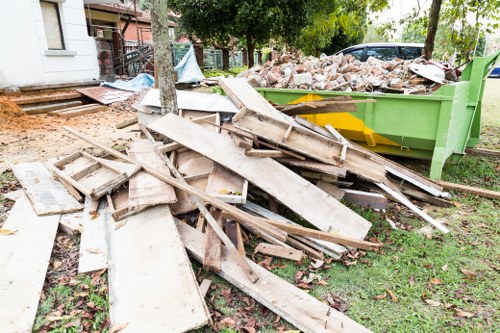
Once the clearance is complete, the remaining question is where the material should go and how it should be separated. Green waste is often suitable for recycling or composting routes, while mixed waste and bulky outdoor items may need different handling depending on what they are made of and how they have been stored. A responsible garden clearance is not just about making the pile disappear; it is about taking away the material in a way that reflects its type and condition. That is one reason why accurate description at the start is so useful.
In practice, a good disposal plan is shaped by the mix of material on site. Clean branches and clippings behave differently from damp cuttings, treated timber, broken plastic planters or rusted metal frames. Where a garden includes a wide spread of material, the job is easier when the removal is sorted into sensible groups before anything leaves the property. This can make the clearance more orderly and help avoid unnecessary handling of items that could be moved more directly.
For customers who are also interested in broader environmental handling, it can be worth looking at how the material is separated before it leaves the site. Our recycling and sustainability information gives a useful sense of the principles behind careful sorting, even when the specific job is just a garden clean-up. The practical result is a clearer space and a disposal process that follows the type of material collected.
Getting a quotation for your garden clearance
A quotation is easiest to prepare when the job is described in plain language. The most helpful details are usually the general size of the area, the main kinds of waste, whether there are any heavy or awkward items and how the space can be reached. If the garden is linked to a house, garage or side passage, that can also influence the amount of handling involved. A clear description does not need to be lengthy; it simply needs to show what is there and what outcome you want from the clearance.
Where the work includes several linked areas, such as a rear garden, side return and an outdoor storage spot, it can be useful to group them together in your enquiry so the scale is understood at once. That prevents the job from being underestimated and makes the quotation more realistic. Ask for a quotation when you are ready, and include any points that might affect the removal process, such as narrow access, steps or a particularly dense patch of growth. If you also want to compare service scope, pricing and quotes is a practical place to start.
The aim is to make the next step simple: describe the clearance, identify any bulky materials and note any access issues, then choose the level of help that fits the space. If the garden is cluttered, overgrown or simply overdue for attention, a well-prepared quotation helps turn the task into something manageable. Contact us to arrange your quote and take the first step toward a clearer outdoor space.
House and home clearances linked to outdoor spaces
Garden clearance is often connected to wider household clear-outs, especially where the outdoor area has become a holding place for belongings from inside the property. In those situations, a garden job may be just one part of a fuller tidy-up that also touches on lofts, hallways or storage rooms. The advantage of looking at the work as a connected task is that it reduces duplicated effort and helps the space as a whole feel more ordered once the unwanted items are removed. A home clearance can be relevant where the garden is part of a broader decluttering project.
Similarly, some jobs involve items that were moved outside because they no longer fitted comfortably indoors, such as old chairs, unused tables or mismatched storage pieces. Those items can sit in a garden for months or years if there is no plan for removal, so it is helpful to clear them alongside the outdoor waste rather than treat them as a separate problem. The same applies where the garden contains debris from a long-running household project and the space has gradually become a storage area. In those cases, the clearance brings the outdoor area back into everyday use.
If you are arranging several linked clearances, it can help to decide whether the outdoor space is the main priority or whether it forms part of a larger property-wide tidy. That choice affects the order of work and the way the waste is described, but the objective remains the same: remove what is unwanted, avoid unnecessary disruption and leave the area ready to use. Contact us when you want to discuss the details and move toward a proper quotation.
Choosing the right level of help
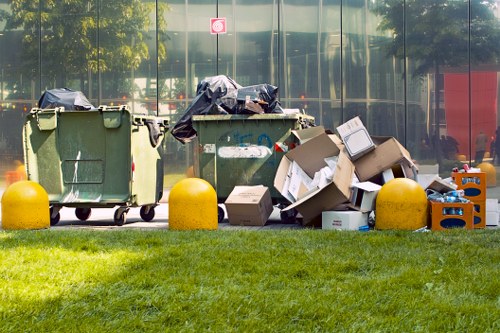
Not every garden needs the same level of clearance, so it helps to think about the final result you want before the work begins. Some customers need a basic removal of cuttings and light debris, while others want the area taken back from a much larger build-up of waste and overgrowth. The right level of help depends on how much is present, how tightly packed it is and whether any items are mixed in that need separate handling. A clear goal makes the whole process easier to plan.
It can also be helpful to decide whether the emphasis is on tidying, restoring access or preparing the space for something else such as planting or landscaping. That distinction matters because each aim suggests a slightly different kind of clearance. A tidy may focus on visible debris and cuttings, while a more restorative job may involve opening up paths, removing dense growth and clearing a fuller spread of material. Once the purpose is understood, the work can be matched to it more accurately.
Whatever the size of the task, the main value of a good garden clearance is that it leaves the space simpler to manage afterwards. If you already know the type of help you need, you can request a quotation and outline the condition of the garden in one clear step. That gives a practical starting point and helps make the next stage straightforward.