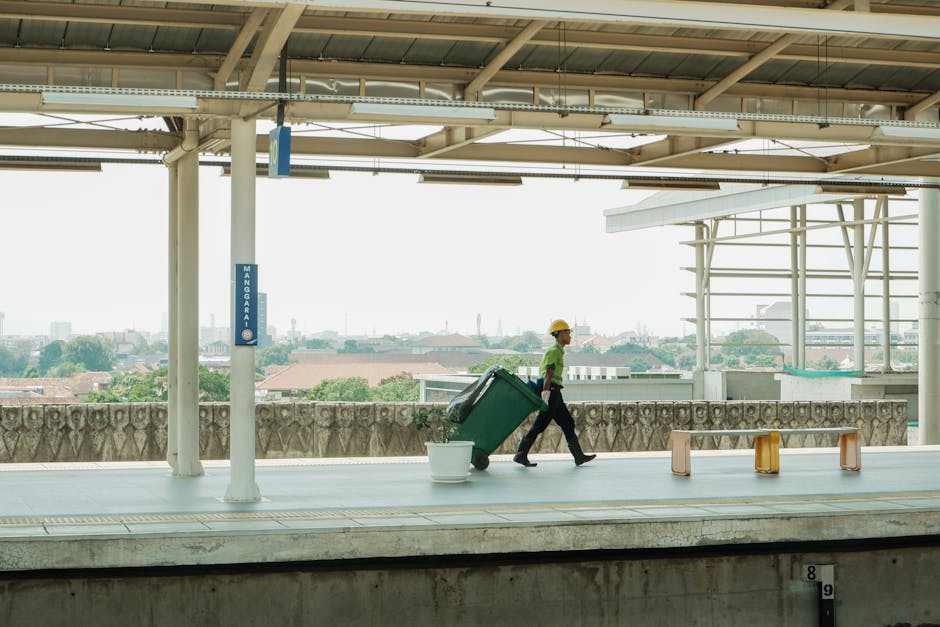
Kenton Station meet up points for bulky rubbish collection
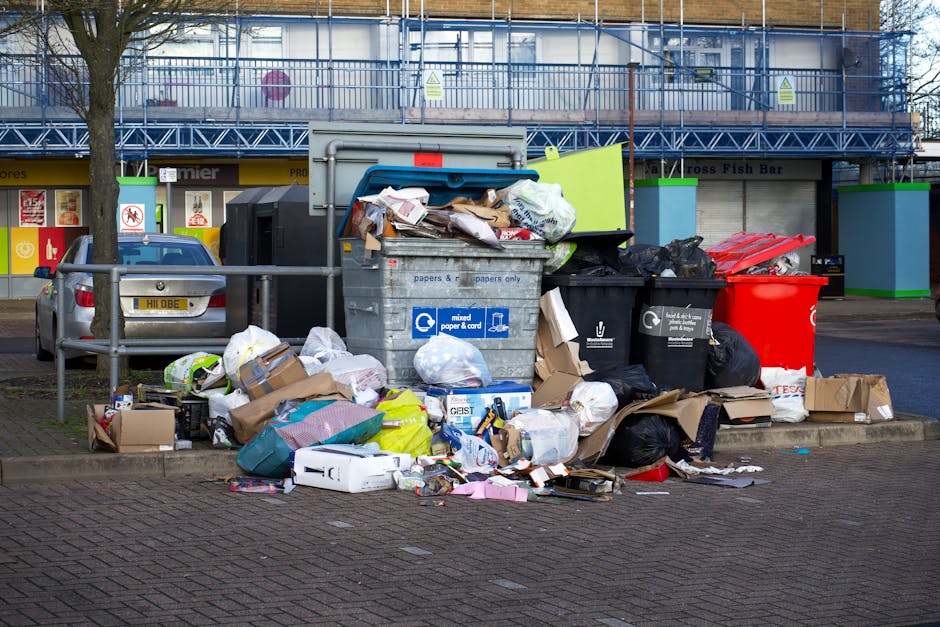
If you are trying to organise Kenton Station meet up points for bulky rubbish collection, the chances are you want one simple thing: a smooth handover with no confusion, no missed timings, and no awkward dragging of heavy items across the wrong side of a busy street. That is fair enough. Bulky rubbish is rarely convenient, and near a station there is usually extra foot traffic, taxis, buses, bikes, and the usual end-of-day rush that can turn a straightforward pickup into a bit of a faff.
This guide explains how meet up points near Kenton Station typically work, why they matter, what to prepare, and how to avoid common mistakes. It also covers practical safety and compliance points, plus a simple checklist you can use before collection day. If you are arranging a wider clearance alongside the pickup, you may also find useful context in our pages for waste removal, furniture clearance, and home clearance.
Expert summary: the best meet up point is usually the one that is easiest for the crew to access, safest to wait at, and simplest for you to describe. In practice, that means choosing a location with clear visibility, minimal obstruction, and enough space to load bulky items without blocking pedestrians or traffic.
Why Kenton Station meet up points for bulky rubbish collection Matters
A meet up point is the agreed place where you and the collection team find each other before the bulky rubbish is moved. Around Kenton Station, that matters more than it might in a quieter residential lane. Stations create constant movement. People arrive with shopping, school bags, luggage, and headphones on. Drivers are watching for drop-off zones. Cyclists are squeezing through. It only takes one unclear instruction for a collection to stall.
For bulky rubbish, delays can be more than annoying. Sofas, wardrobes, mattresses, broken cabinets, and other oversized items are heavy, awkward, and sometimes unsafe to shift twice. If the team parks on one side of the station and you are waiting on another, you may waste time moving items around or trying to describe your exact spot over the phone while standing in the wind. Not ideal. Not at all.
In our experience, the best collections start before anyone lifts a single item. Clear meeting instructions cut stress, reduce unnecessary carrying, and help the crew plan the right vehicle, equipment, and route. They also reduce the chance of obstructing entrances, crossings, or station access points, which is especially important where public movement is constant.
There is also a trust element. When the meet up point is sensible and well explained, the whole process feels more professional. That matters whether you are clearing one awkward item or arranging a bigger job through house clearance or flat clearance.
Table of Contents
- Why Kenton Station meet up points for bulky rubbish collection Matters
- How Kenton Station meet up points for bulky rubbish collection Works
- Key Benefits and Practical Advantages
- Who This Is For and When It Makes Sense
- Step-by-Step Guidance
- Expert Tips for Better Results
- Common Mistakes to Avoid
- Tools, Resources and Recommendations
- Law, Compliance, Standards, or Best Practice
- Options, Methods, or Comparison Table
- Case Study or Real-World Example
- Practical Checklist
- Conclusion
- Frequently Asked Questions
How Kenton Station meet up points for bulky rubbish collection Works
The process is usually simple, but simplicity depends on preparation. You choose a collection time, agree a meet up point near Kenton Station, describe the items, and wait for the crew to arrive. The team then confirms the location, loads the bulky rubbish, and takes it away for appropriate handling, sorting, or disposal.
The practical challenge is that "near Kenton Station" is not specific enough on its own. A good meet up point should be easy to identify from both sides. You want something like a named corner, a visible entrance, or a clearly described public spot with enough room to stand without blocking movement. The aim is not just to meet; it is to meet quickly and safely.
Here is how it usually plays out:
- You describe the items, access, and preferred collection window.
- You agree a visible location near the station, rather than an uncertain pin on a map.
- You keep your phone handy in case the crew is delayed by traffic or parking restrictions.
- You meet, confirm the load, and guide the team to the items if they are stored just off the station area.
- The bulky rubbish is removed and the area is checked before leaving.
That sounds straightforward, and usually it is. The issue tends to be the details. Is the item in a basement flat? Is it down a narrow side passage? Is the station side busier at 5pm than 10am? These little things matter more than people expect.
If the collection is part of a larger clearance, a service such as furniture disposal or garage clearance may be more efficient than arranging several smaller pickups. Fewer handovers. Less mess. Less standing around hoping the van is just around the corner.
Key Benefits and Practical Advantages
The obvious benefit is convenience, but there are several others that are easy to miss until you have lived through a messy pickup. A good station meet up point saves time, reduces lifting, and keeps the collection moving in a tidy sequence rather than a stop-start scramble.
- Faster collection: less time searching means more time loading.
- Better safety: fewer unnecessary trips across roads, pavements, or station forecourts.
- Lower stress: you are not trying to describe your exact location while balancing a mattress upright.
- Less disruption: the crew can avoid blocking walkways or entrances.
- More accurate planning: the team can bring the right vehicle size and equipment.
There is a practical side to this, too. A meet up point near Kenton Station can be especially useful if the bulky rubbish is being collected from a place with poor parking, controlled access, or shared entry points. It helps avoid the classic problem of the van arriving, only for everyone to realise the item is two turns and a locked gate away. Truth be told, that happens more often than most people admit.
For businesses or landlords, the benefit is even clearer. If you are clearing office furniture, surplus stock, or post-refurbishment items, the right meeting arrangement can keep things professional and reduce downtime. If that sounds familiar, our office clearance and business waste removal pages may be useful background reading.
Who This Is For and When It Makes Sense
This kind of arrangement is useful for a wide mix of people. You do not need to be moving house or emptying a whole property for a station meet up point to make sense. Sometimes it is the best option for a single awkward item. Sometimes it is the only practical way to make a collection happen without creating a headache for everyone involved.
It tends to suit:
- tenants clearing bulky items from a flat
- homeowners with large items near the station area
- landlords between lets
- local businesses replacing worn furniture
- people with limited parking or access at the property
- customers who need a quick handover and do not want to wait outside for long
It also makes sense when the rubbish is awkward to move from the property itself. For example, if a wardrobe will not fit down the stairwell, meeting the crew at an accessible point near Kenton Station can simplify the process enormously. The same is true for heavy furniture, bagged clutter from a loft, or mixed items from a garage cleanout.
If you are unsure whether your job is a one-off collection or part of a broader clear-out, comparing loft clearance and garage clearance can help you decide what scope makes most sense. That little bit of planning saves money and, just as importantly, avoids half-finished jobs.
Step-by-Step Guidance
Below is a practical way to organise Kenton Station meet up points for bulky rubbish collection without overcomplicating it. You do not need a perfect plan. You just need a clear one.
- List the items. Note what needs removing, roughly how big it is, and whether anything is fragile, sharp, wet, or dismantled.
- Check access. Think about stairs, lifts, side entrances, narrow paths, and where the items are physically stored.
- Choose a visible meet up point. Pick a place near Kenton Station that is easy to describe and does not force anyone into a dangerous crossing or awkward queue.
- Share one clear instruction set. Keep it short. Say where to meet, what you are wearing if needed, and what the collection team should look for.
- Keep your phone on. If the crew is a few minutes late, you want to be reachable. London traffic does what London traffic does.
- Guide them to the load. If the items are not immediately visible, walk the crew there rather than trying to explain three turns and a door code over the line.
- Check the area afterwards. Make sure there are no screws, broken bits, or packaging left behind.
A useful rule: if you would struggle to explain the spot to a friend who has never been there, the meet up point probably needs simplifying. Realistically, the best locations are the ones you can describe in one sentence, not three.
And if the bulky rubbish is mixed with general waste, consider separating items first. A sorted load is easier to remove and can often be handled more efficiently through our broader waste removal service.
Expert Tips for Better Results
A few small habits can make the day run far more smoothly. None of them are dramatic. They just stop little problems snowballing.
- Take a photo of the items and the meeting point. It sounds basic, but a quick image can help if there is any doubt.
- Use landmarks, not vague directions. "By the station entrance" is better than "near Kenton Station somewhere".
- Avoid rush periods if you can. Early morning or mid-morning often works better than late afternoon around a busy station.
- Leave enough clearance around the items. A sofa wedged beside a bike rack is nobody's idea of fun.
- Wear sensible footwear. A slightly uneven pavement and a heavy item do not mix well.
One small but useful tip: if the collection includes bulky furniture, remove cushions, loose shelves, drawers, or table legs in advance if it is safe to do so. It can make the item easier to handle and less likely to snag on narrow spaces. Little thing, big difference.
If you are trying to keep costs and timing sensible, take a look at pricing and quotes before booking. It helps set expectations early, which is always better than discovering surprises when everyone is already standing outside.
Common Mistakes to Avoid
Most collection problems near stations come from avoidable misunderstandings. The good news is that they are usually easy to fix once you know what to look out for.
- Being too vague about the location. "Near the station" is not enough.
- Ignoring parking or stopping restrictions. The team still needs workable access.
- Leaving the items behind a locked or blocked route. This is where collections get delayed, and everyone gets a bit grumpy.
- Not saying whether the load is mixed or bulky only. A sofa and a pile of rubble are not the same job.
- Forgetting to check timing. A five-minute delay can matter in a busy public area.
- Assuming the crew will know the exact entrance. They may know the area, but they do not know your exact corner.
There is also the classic mistake of underestimating how long it takes to move one awkward item through a tight space. You think it will be quick, then suddenly the door is off, someone is sweating, and nobody is smiling. We have all seen versions of that scene.
Another common issue is forgetting disposal expectations. Not every item can be treated the same way, so choosing a reputable, organised service matters. If you want to understand how materials are handled with more care, our recycling and sustainability page is a good place to start.
Tools, Resources and Recommendations
You do not need fancy equipment to arrange a reliable meet up point. A few simple tools are usually enough:
- a charged phone with signal and saved contact details
- a note of the collection time and meeting instructions
- a camera phone for item photos
- gloves if you are moving anything sharp, dusty, or grubby beforehand
- tape or labels if multiple loads are being separated
For larger clearances, it is worth checking service pages that match the type of load you have. For example, furniture clearance is better suited to sofas and tables, while builders waste clearance is more appropriate for rubble, timber, and post-project debris. Matching the job to the service usually keeps everything cleaner and more efficient.
And if your issue is access rather than volume, flat clearance can be more useful than a general collection because it is designed around the realities of stairwells, shared entrances, and awkward layouts.
Practical recommendation: choose the meet up point first, then explain the collection route second, and only then confirm the load. That order makes the job easier to visualise and usually prevents miscommunication.
Law, Compliance, Standards, or Best Practice
For bulky rubbish collection, the main compliance concern is not usually the meet up point itself, but how the waste is handled, moved, and transferred. In the UK, waste should be managed carefully, with attention to safe loading, lawful disposal, and responsible handling of different material types. You do not need to quote legislation to do the right thing, but you do need a provider who treats the job properly.
From a best-practice point of view, the meet up point should not create avoidable obstruction, trip hazards, or unsafe lifting conditions. If a collection is being arranged near a station, the team should aim to avoid blocking pedestrian flow or placing items where they could topple, snag, or cause a nuisance. That is basic good practice, really.
Customers also have a role. If you are asking for a pickup, be honest about access, item condition, and any risks. Say if something is very heavy, contaminated, damp, or hard to move. That lets the crew prepare sensibly and reduces the chance of a rushed lift or an awkward second trip.
For extra reassurance around safe working practices, you may want to read our health and safety policy and insurance and safety information. These pages help explain the kind of standards you should expect from a professional clearance provider.
If you are booking on behalf of a business, landlord, or managing agent, it is also worth checking terms and conditions so expectations are clear before collection day. No surprises. Much better that way.
Options, Methods, or Comparison Table
There is more than one way to handle bulky rubbish around Kenton Station. The right choice depends on volume, access, urgency, and how much lifting you want to avoid.
| Method | Best for | Pros | Watch-outs |
|---|---|---|---|
| Station meet up point collection | Single items or small loads with tricky access | Quick handover, easy to coordinate, less searching | Needs clear instructions and a safe public meeting spot |
| Property-side collection | Homes or businesses with straightforward access | More direct, usually less walking for you | Can be harder if parking is limited or entrances are tight |
| Full clearance booking | Multiple bulky items or mixed waste | Efficient for larger jobs, often better organised | May be more than you need for one item |
| Item-specific service | Furniture, garage contents, loft items, office furniture | Purpose-built handling for the material type | You need to choose the right service category |
For many people, the best option is the simplest one that still feels safe. If the item is large but the job is otherwise straightforward, a meet up point near Kenton Station can be perfect. If the load has grown into something bigger than expected, it may be time to move from a single-item pickup to a more complete house clearance or wider waste collection plan.
Case Study or Real-World Example
Here is a realistic scenario. A tenant in a flat a short walk from Kenton Station needs to dispose of a broken sofa and a dismantled coffee table. The stairwell is narrow, the front entrance is shared, and parking by the building is limited. Rather than trying to force the crew to hunt around the block, the tenant agrees a visible meeting point near the station entrance and sends a quick message describing the item colours and size.
The team arrives, confirms the spot, and walks with the customer to the items. Because the route is planned in advance, there is no need to backtrack or keep checking door numbers. The load is carried out in one go, and the customer is not left managing a half-finished conversation while someone is balancing a cushion on one shoulder. Everyone is done faster, and the pavement stays clear.
That is the real value of a good meet up point. It turns a stressful little job into something routine. Not glamorous, but effective. And sometimes effective is the best kind of good.
A similar approach works for landlords clearing turnover furniture, local offices replacing desks, or householders moving out and dealing with a few awkward items at once. If you need a broader service menu to match that kind of situation, take a look at office clearance, home clearance, and furniture disposal.
Practical Checklist
Use this before collection day. It keeps things simple and catches most of the common issues.
- Have I listed every bulky item that needs to go?
- Is the meet up point near Kenton Station easy to describe in one sentence?
- Have I shared the collection time clearly?
- Do I know whether the items are in a flat, house, office, garage, or loft?
- Is the access route safe and free from clutter?
- Have I warned the team about any very heavy, fragile, or awkward items?
- Do I have my phone with me and enough battery?
- Have I checked whether the job needs builders waste clearance, garden clearance, or another specific service?
- Have I made sure the items are ready to lift, not buried behind other clutter?
- Do I understand the booking terms and payment expectations?
If you can tick most of those off, you are in a very good place. And if a couple of answers are still fuzzy, that is fine too. Better to clarify now than to improvise in a busy station area while holding a set of instructions in one hand and a wobbling table leg in the other.
For questions about booking, availability, or general service details, the most direct next step is to visit contact us. If you want to understand the company's background first, the about us page is also worth a look.
Get a free quote today and see how much you can save.
Conclusion
Getting Kenton Station meet up points for bulky rubbish collection right is mostly about clarity, timing, and common sense. Choose a spot that is easy to recognise, give simple instructions, and make sure the crew has enough detail to arrive prepared. That alone removes a surprising amount of stress.
The benefit is not just convenience. A good meet up point can improve safety, reduce lifting errors, keep footways clearer, and make even a stubborn old sofa feel a lot less like a small crisis. Which, let's face it, is exactly what most people want on collection day.
When the process is handled properly, bulky rubbish collection becomes one less thing to worry about. And that is a decent result. Sometimes the best home service is the one that quietly makes your day lighter.
Frequently Asked Questions
What is a meet up point for bulky rubbish collection near Kenton Station?
It is the agreed place where you and the collection team meet before the items are loaded. Near Kenton Station, it should be somewhere visible, easy to describe, and safe to stand without blocking pedestrians or traffic.
Why not just say "meet me at Kenton Station"?
Because that is usually too vague. Stations have multiple entrances, nearby crossings, and different sides of the road. A more specific landmark or visible corner helps the crew find you faster and avoids confusion.
What kinds of bulky rubbish are commonly collected this way?
Typical examples include sofas, mattresses, wardrobes, tables, chairs, old appliances, and other awkward household items. It can also work for office furniture or mixed items from a garage or loft, depending on the job.
Is this better than arranging collection from the property itself?
Sometimes, yes. If parking is tight, access is awkward, or the property is hard to reach, a meet up point can be quicker and easier. If access is simple, property-side collection may be more convenient.
How do I choose the best meet up point near Kenton Station?
Pick somewhere visible, easy to reach, and safe for standing while loading takes place. A clear landmark is usually better than an exact description that only local regulars would understand.
What should I tell the collection team before the appointment?
Share the items, their approximate size, where they are stored, any access issues, and the meet up point. If anything is unusually heavy, sharp, damp, or dismantled, mention that too.
What if I cannot get the bulky item outside myself?
Tell the team in advance. If the item is upstairs, behind a locked door, or difficult to move safely, the collection plan may need to change. Good communication is what keeps the day on track.
Can a meet up point help with multiple items?
Yes, especially if the items are being gathered from different places or if the property access is complicated. It gives everyone a clear start point and helps the crew plan the route.
Are there safety concerns around station-area collections?
There can be, mainly because of foot traffic, traffic flow, and limited waiting space. That is why the meet up point should be chosen carefully and why bulky items should not be left where they could obstruct movement.
Do I need to sort my bulky rubbish before collection?
It is strongly recommended. Sorting can help the crew move faster and may make it easier to separate furniture, general waste, and material that needs different handling. It does not need to be perfect, just reasonably organised.
How far in advance should I arrange the collection?
As early as you can, especially if you need a specific time window or have access restrictions. If the job is urgent, it is still worth making contact quickly so the team can advise on availability.
What if I need a bigger clearance instead of one bulky item?
Then a fuller service may be more suitable. Depending on what you have, house clearance, flat clearance, or garage clearance may be a better fit than a simple meet up collection.
How can I make the collection day less stressful?
Keep the instructions short, choose a clear meeting spot, have your phone ready, and make sure the load is accessible. A bit of preparation makes a bigger difference than people expect.
Where can I check service details, safety, and sustainability information?
You can review the relevant pages on pricing, safety, and responsible handling, including pricing and quotes, insurance and safety, and recycling and sustainability.