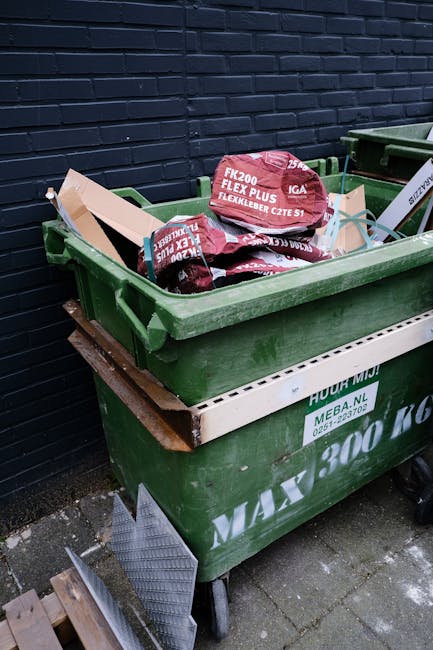
Kenton Green garden waste and local bulky rubbish options
If you have a pile of hedge cuttings, a broken shed panel, an old garden chair, or a sofa that has somehow ended up in the wrong place at the wrong time, you are not alone. Kenton Green garden waste and local bulky rubbish options matter because these jobs are rarely neat, rarely tiny, and rarely worth leaving to grow into a bigger problem. The good news? There are sensible ways to deal with it that suit different budgets, schedules, and levels of mess.
This guide breaks down what counts as garden waste, what local bulky rubbish removal usually involves, how the process works, and how to choose the best route for your situation. It also covers practical checks, common mistakes, and a few real-world tips that can save you time. Let's make the whole thing feel a bit less annoying, shall we?
Table of Contents
- Why Kenton Green garden waste and local bulky rubbish options Matters
- How Kenton Green garden waste and local bulky rubbish options Works
- Key Benefits and Practical Advantages
- Who This Is For and When It Makes Sense
- Step-by-Step Guidance
- Expert Tips for Better Results
- Common Mistakes to Avoid
- Tools, Resources and Recommendations
- Law, Compliance, Standards, or Best Practice
- Options, Methods, or Comparison Table
- Case Study or Real-World Example
- Practical Checklist
- Conclusion
- Frequently Asked Questions
Why Kenton Green garden waste and local bulky rubbish options Matters
Garden waste and bulky rubbish can build up surprisingly fast. One weekend of pruning, a bit of DIY, or a quick clear-out of the shed and suddenly you have a mess that will not fit in normal household bins. That is usually when people realise they need a proper plan rather than a "I'll deal with it next week" plan. To be fair, next week often turns into next month.
In Kenton Green, the challenge is often one of practicality. You may have limited space outside, shared access in a flat or maisonette, a busy family timetable, or items that are simply awkward to carry. Wet branches, soil-heavy bags, broken fencing, old mattresses, and oversized furniture all behave differently. Some can be lifted easily. Others need two people, a van, and a bit of know-how.
Choosing the right option also helps keep your property tidy and safe. Piles of waste can attract pests, become trip hazards, and make the whole outdoor space feel smaller than it really is. That matters whether you are trying to enjoy a back garden, prep a rental for new tenants, or just get the place back under control after a long season of growth.
There is also the question of responsibility. Garden waste is not the same as mixed rubbish, and bulky items are not the same as general bin waste. Sorting things properly makes collection easier, recycling more realistic, and the whole job more efficient. If you want the broader picture of what a full clearance service can cover, the site's garden clearance and waste removal pages are useful starting points.
Expert summary: The best local waste solution is usually the one that matches the type of material, the access at your property, and how quickly you need the space cleared. Simple as that - well, almost.
How Kenton Green garden waste and local bulky rubbish options Works
At a practical level, these services usually work in one of three ways: you separate and present the waste, you arrange a collection, or you have a clearance team remove everything from where it sits. The right route depends on how much there is, what it includes, and how much lifting you want to do yourself. Some jobs are tidy and straightforward. Others are a bit of a tangle.
Typical steps in a local collection
- Assess the load - Decide whether the waste is mostly green material, mostly bulky household items, or a mixed load. A mixed load is common after garden tidy-ups, garage clear-outs, or home projects.
- Identify access - Consider whether the team can get close to the waste, whether there are stairs, narrow side passages, shared entrances, or parking restrictions.
- Sort what stays and what goes - Keep anything personal, reusable, hazardous, or restricted separate. No one wants to accidentally send a perfectly good garden tool or a box of screws off in the wrong pile.
- Arrange the collection - Use a service that can handle the type and volume of waste you have. If the items include furniture, the site's furniture disposal and furniture clearance pages may be relevant too.
- Load, clear, and check - A good team will remove the items safely, sweep up lightly where sensible, and leave the space ready for the next step.
For bulkier household possessions, storage clutter, or a combination of items from a loft, garage, or flat, the job can overlap with broader clearance work. That is why pages such as garage clearance, home clearance, and flat clearance can be useful if your waste is not just garden material.
What counts as garden waste?
Most people think of grass cuttings and hedge trimmings first, which is fair enough. But garden waste can also include branches, leaves, weeds, root balls, old compost, soil in manageable quantities, broken planters, timber from outdoor structures, and sometimes outdoor furniture if it has reached the end of its life. If a shed, fence, or lean-to has been dismantled, the material may shift closer to builders' or mixed waste. In those cases, a page like builders waste clearance may fit better.
What counts as bulky rubbish?
Bulky rubbish usually means items too large or awkward for regular domestic disposal. Think sofas, wardrobes, mattresses, broken tables, shelving units, old appliances in some cases, and odd-shaped items that just do not pack well into a car or wheelie bin. It can also include damaged outdoor furniture, children's play equipment, and large clutter from outbuildings. Truth be told, bulky rubbish is often just "stuff that has overstayed its welcome."
Key Benefits and Practical Advantages
There are a few real benefits to using a proper local option rather than trying to wrestle everything into several journeys to the tip. Some are obvious. Others only show up once you have tried carrying a damp pile of branches through a narrow gate on a drizzly Tuesday morning.
- Saves time - One collection can remove a lot of separate trips, loading, and waiting around.
- Reduces physical strain - Bulky items, especially wet or broken ones, can be surprisingly heavy and awkward.
- Improves safety - Clearing walkways, patios, and access routes reduces trip hazards and the risk of injury.
- Helps the property look cared for - This matters for homes, rentals, sales, and anything you want to present well.
- Makes sorting easier - A good service can deal with mixed waste more efficiently than a do-it-yourself approach.
- Supports better recycling outcomes - When material is separated properly, more of it can be processed appropriately.
There is also a practical stress reduction effect, which sounds minor until you are living with a pile of waste every time you look out the window. Then it suddenly feels quite major.
If you are comparing services and want to understand cost factors before booking, the site's pricing and quotes page is the most relevant place to start. For readers who care about what happens after collection, recycling and sustainability is worth a look too.
Who This Is For and When It Makes Sense
This kind of service is for anyone who has more waste than they can realistically handle alone, or who wants the job done faster and more cleanly than a DIY run. In Kenton Green, that usually includes homeowners, landlords, tenants moving out, small businesses, and people doing seasonal garden maintenance.
Common situations where it makes sense
- After hedge cutting or tree pruning - Especially when the clippings are bulky, wet, and spread over a wide area.
- Following a garden redesign - Broken paving, old sleepers, soil, plants, and outdoor furniture often appear together.
- Before a property sale or rental inspection - A tidy garden and clear driveway make a stronger impression.
- After a loft, garage, or shed clean-out - It is common for garden items and household clutter to be mixed together.
- When bulky items will not fit in a vehicle - This is the classic "how did that even get in here?" moment.
- For business premises with outdoor storage or yard waste - Some local operations need recurring clearances rather than one-off jobs.
If your situation includes office furniture, stock, or commercial clutter rather than garden debris, then business waste removal or office clearance may also be relevant. For larger household transitions, it can overlap with house clearance or loft clearance.
Not every job needs a full clearance crew. Some people only need a single bulky item removed; others need a day of proper clearing. It depends on the space and the mess. Simple as that.
Step-by-Step Guidance
Here is a sensible way to approach the job without overcomplicating it. A little planning goes a long way, especially when access is tight or the waste is mixed.
- Walk the site first
Look at what needs clearing and where it is located. Make a note of steep steps, side gates, low branches, slippery surfaces, and anything that could slow down loading. - Separate the obvious categories
Put green waste, bulky household items, timber, soil, and general rubbish into rough groups. You do not need museum-level organisation, just enough order to avoid confusion later. - Decide what is reusable
Some garden furniture, pots, tools, or storage items may still have life left in them. Keeping reusable items out of the waste stream can reduce cost and waste. - Check for anything hazardous
Batteries, paint tins, gas canisters, sharp metal, chemicals, asbestos-related materials, and pressurised containers need special handling. Do not guess with these. - Measure access and load size
Think about the width of paths, staircases, and the distance from the waste to the vehicle. This helps avoid delays on the day. - Choose the right service level
If the job is mainly garden waste, a focused collection may be enough. If it is a mix of garden debris, furniture, and household clutter, a broader clearance may be more efficient. - Book and confirm details clearly
Be straightforward about what you have. A photo-based or item-based description is usually best. Honest detail prevents surprises. - Prepare the area
Move pets, unlock gates, clear a path, and keep fragile items away from the work zone. A small bit of prep helps a lot.
That is the whole rhythm, really. You identify, sort, choose, and clear. No drama required.
Expert Tips for Better Results
Over the years, the same few tips tend to make the biggest difference. Nothing flashy. Just practical things that stop a simple job becoming awkward.
- Separate wet green waste from dry material where you can - Wet cuttings are heavier and can be messier to move. If you have ever lifted a soggy bag of hedge trimmings, you will know what I mean.
- Take the awkward items out of the way first - Old bench legs, broken fencing, and oddly shaped pieces are what usually slow a job down.
- Do not bury useful detail - If there is soil, rubble, or mixed construction waste in the pile, say so early. That changes how the load is handled.
- Check whether items need dismantling - Some sheds, wardrobes, and garden structures are faster to remove in sections.
- Keep a small "maybe" pile separate - It sounds trivial, but deciding what stays and what goes before the team arrives can save minutes turning into half an hour.
- Plan for weather - Rain changes everything. It makes bags heavier, surfaces slicker, and access less pleasant. Not ideal, obviously.
One good habit is to clear the path before the collection, not during it. Another is to keep the best parking space available if a vehicle needs close access. Little things. Big difference.
Common Mistakes to Avoid
Most waste clearances go smoothly. The problems tend to come from a handful of predictable mistakes.
- Mixing everything together - Garden waste, bulky furniture, and general rubbish can often be collected together, but a clear description still matters.
- Leaving the sorting until collection day - That creates delays and can make a simple job feel rushed.
- Forgetting about access - A narrow passage or locked side gate can slow things down more than people expect.
- Assuming all waste is treated the same - It is not. Soil, green waste, timber, furniture, and mixed rubbish can follow different handling routes.
- Ignoring hazardous items - This is the big one. Sharp or dangerous waste should never be left in with ordinary rubbish.
- Underestimating weight - A few damp bags of garden cuttings and soil can be far heavier than they look.
There is also the classic mistake of waiting too long. By the time the pile has doubled and the garden has started to feel closed in, the job is more difficult than it needed to be. Happens all the time.
Tools, Resources and Recommendations
You do not need much equipment for a basic clear-out, but the right tools make the work easier and safer. Even a modest garden job can benefit from a few sensible items.
- Heavy-duty bags or bins for cuttings, leaves, and small mixed waste
- Gloves for handling thorny branches, splinters, and sharp edges
- Garden fork or spade for loosening soil or lifting roots
- Tape measure for checking access and estimating bulky item size
- Basic protective footwear if you are moving items across hard surfaces or uneven ground
- Labels or notes to separate what is staying, what is being removed, and what may need special handling
For a service-led approach, it helps to choose a provider that explains its process clearly and handles jobs with care. The pages on health and safety policy, insurance and safety, and about us are useful if you want more reassurance before booking. Not exciting reading, maybe, but reassuring. And sometimes that is exactly what matters.
If you are dealing with a sensitive situation, such as moving out quickly or clearing a property after a long period of buildup, you may also find home clearance helpful because it covers more than just garden material.
Law, Compliance, Standards, or Best Practice
Waste handling in the UK comes with basic legal and practical duties, even for ordinary household jobs. You do not need to become an expert in regulations, but you should know the essentials. Responsible removal means the waste is carried, stored, and taken to the correct place, rather than tipped somewhere unsuitable. That part is not optional.
A few best-practice points are worth keeping in mind:
- Use a properly run waste carrier if you are paying someone to take waste away.
- Keep hazardous materials separate and disclose them before collection.
- Make sure items are described accurately so the collection and disposal method can be planned properly.
- Do not assume bulky waste and green waste are processed the same way - they often are not.
- Ask about recycling and recovery practices where that matters to you.
It is also sensible to keep records of what was removed if you are a landlord, managing agent, or business owner. That may sound a bit formal for a garden tidy-up, but it can save arguments later. If you need more detail about business-side arrangements, the site's business waste removal and terms and conditions pages can help set expectations.
Best practice is really about clarity, safety, and honesty. Nothing glamorous, just good housekeeping - which, in waste work, goes a long way.
Options, Methods, or Comparison Table
There are a few ways to handle Kenton Green garden waste and local bulky rubbish options. Some are cheaper in cash terms, some are quicker, and some are less stressful. The right choice depends on your situation, not on which option sounds best in theory.
| Option | Best for | Pros | Trade-offs |
|---|---|---|---|
| DIY loading and disposal | Small amounts, simple access, no rush | More control, can be cheaper if you already have transport | Heavy lifting, multiple trips, time-consuming |
| Local bulky item collection | Sofas, mattresses, large furniture, a few awkward pieces | Convenient, less lifting, usually faster | May not suit mixed garden waste or larger clearances |
| Garden clearance service | Hedges, branches, leaves, shed clutter, outdoor mixed loads | Good for outdoor mess, often efficient for bigger garden jobs | May need more detail if the pile includes bulky household items |
| Full property clearance | Large, mixed, or complex jobs | Most comprehensive, handles mixed waste well | More than you may need for a small garden-only task |
In simple terms, if it is just a few bags and one chair, keep it simple. If it is the garden, garage, and a random sofa all at once, a broader clearance is usually the cleaner solution.
Case Study or Real-World Example
Here is a realistic example. A homeowner in Kenton Green has been pruning a rear hedge over two weekends, then notices an old rattan chair, a broken planter, and a stack of timber pieces from a previous DIY project tucked beside the shed. The waste is not huge, but it is awkward. It is wet from a morning shower, the back path is narrow, and the bins are already full.
Rather than trying to cram everything into multiple car trips, the homeowner separates the green waste from the bulky items, checks access, and arranges a collection that can handle both. The team removes the hedge cuttings, broken outdoor items, and the timber in one visit. The garden looks bigger straight away because, well, it is bigger when half the clutter has gone.
What made the job go smoothly? Not luck. Clear description, simple sorting, and realistic expectations. No one had to move the same pile twice. No one had to guess whether a soggy branch bundle would fit through the gate. That is the difference between a tidy plan and a messy afternoon.
Practical Checklist
Use this quick checklist before you book or schedule a collection:
- Have you separated green waste from bulky household items?
- Have you checked for sharp, hazardous, or restricted materials?
- Is the access route clear for carrying items out?
- Do you know roughly how much waste there is?
- Have you measured any particularly large items?
- Are there any items you want to keep or reuse?
- Have you thought about parking access for the vehicle?
- Do you need a simple collection or a broader clearance?
- Have you reviewed the provider's pricing and service details?
- Do you understand what happens to the waste after collection?
A quick check like this takes a few minutes and can prevent most of the usual headaches. Honestly, it is one of the easiest ways to make the whole job feel lighter.
Conclusion
Kenton Green garden waste and local bulky rubbish options are really about matching the job to the right solution. Small, tidy loads may suit simple collection. Bigger mixed jobs may need a broader clearance. Either way, a bit of planning helps you avoid wasted effort, awkward lifting, and that slightly deflated feeling of having only half-cleared the space.
If there is one practical takeaway, it is this: identify the type of waste first, sort what you can, and choose a service that fits the mess rather than forcing the mess to fit the service. That is how you keep the day simple. And a simple clearance is a good clearance.
Get a free quote today and see how much you can save.
When the clutter is gone and the garden feels usable again, you notice it immediately. More light, more space, less noise in the back of your mind. That part never really gets old.
Frequently Asked Questions
What is included in Kenton Green garden waste and local bulky rubbish options?
It usually includes green waste such as branches, hedge cuttings, leaves, weeds, and other garden debris, plus bulky items like old outdoor furniture, broken sheds parts, or large household items. The exact mix depends on the service you choose.
Can garden waste and bulky rubbish be collected together?
Yes, often they can. Mixed loads are common, especially after garden projects or shed clear-outs. The key is to describe the load clearly so the collection can be planned properly.
Do I need to separate my waste before collection?
It helps a lot. You do not need perfection, but separating green waste, bulky items, and anything hazardous makes the job quicker and usually cleaner.
What should I do with soil, turf, or root balls?
These can be much heavier than they look, so it is best to mention them in advance. Some services handle them as part of garden waste, while larger or mixed quantities may need a different approach.
Is bulky rubbish the same as general household waste?
No. Bulky rubbish usually refers to large, awkward, or heavy items that are difficult to dispose of through normal household bins. General waste is broader and usually smaller in volume.
Can old furniture be removed as part of the job?
Yes, if the service covers it. Old tables, chairs, wardrobes, sofas, and similar items are commonly removed alongside garden waste when needed. The furniture clearance and furniture disposal services may be useful in those cases.
How do I know whether I need a garden clearance or a full home clearance?
If the waste is mainly outside and garden-related, a garden clearance is often enough. If the clutter is spread through the house, garage, loft, or multiple rooms, a broader clearance may be more efficient.
Are there any items that should not be mixed with ordinary waste?
Yes. Hazardous items such as chemicals, batteries, pressurised containers, and certain sharp or contaminated materials should be handled separately. If you are unsure, ask before collection rather than guessing.
What if I live in a flat or have difficult access?
That is common in local areas. Narrow stairs, shared entrances, and limited parking just mean the collection needs a bit more planning. Flat clearance support can be helpful where access is not straightforward.
How can I keep costs under control?
Sort the waste in advance, give an accurate description, and remove anything you want to keep before the team arrives. Clear access and clear information usually help keep the job efficient.
Does garden waste go to the same place as bulky rubbish?
Not always. Green waste, timber, furniture, and mixed rubbish can follow different processing routes depending on what they are and how they are sorted. That is one reason accurate description matters.
What is the best first step if I am not sure what I need?
Walk through the property, make a simple list of what needs removing, and separate anything obviously reusable or hazardous. Then use the relevant service page or contact the team for guidance. A quick review usually makes the answer obvious.
If you want to understand the people behind the service before booking, you can also visit the about us page for a bit more context about how the company works.